Rufford Abbey

A Winter’s Day at Rufford Abbey

There’s something hauntingly beautiful about exploring historic ruins on a grey winter’s day, and Rufford Abbey in Nottinghamshire delivers that atmosphere in spades.

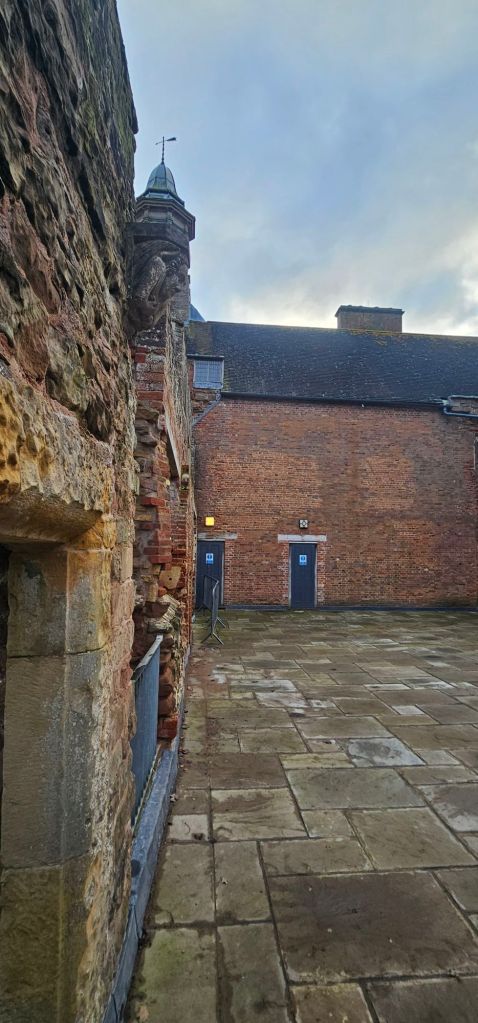
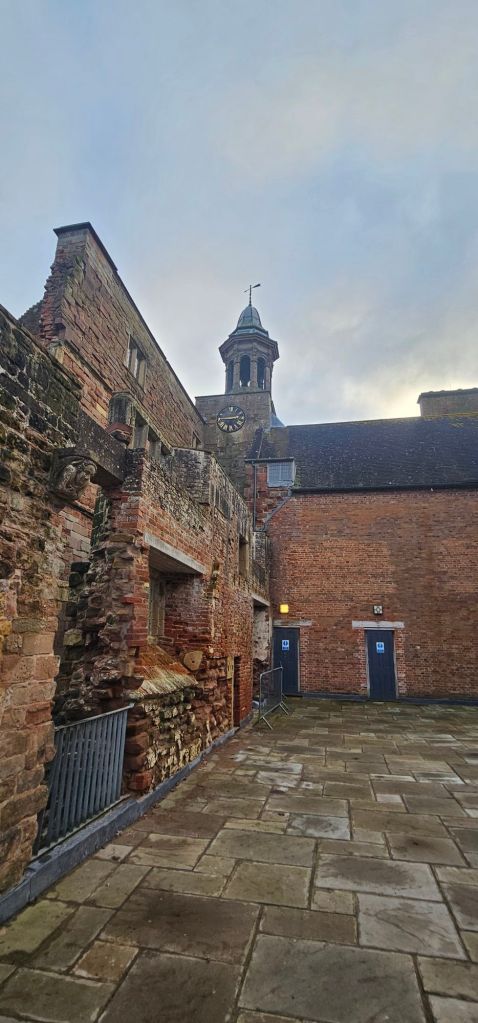
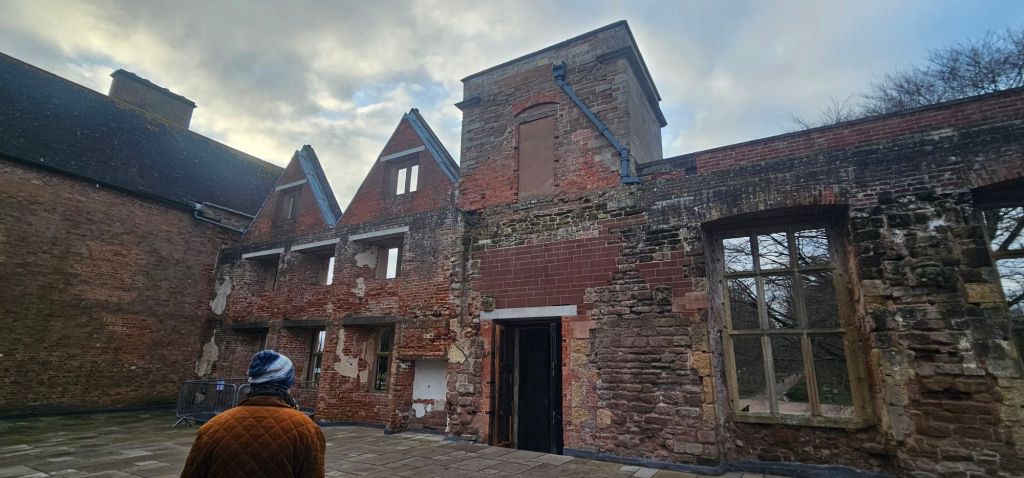
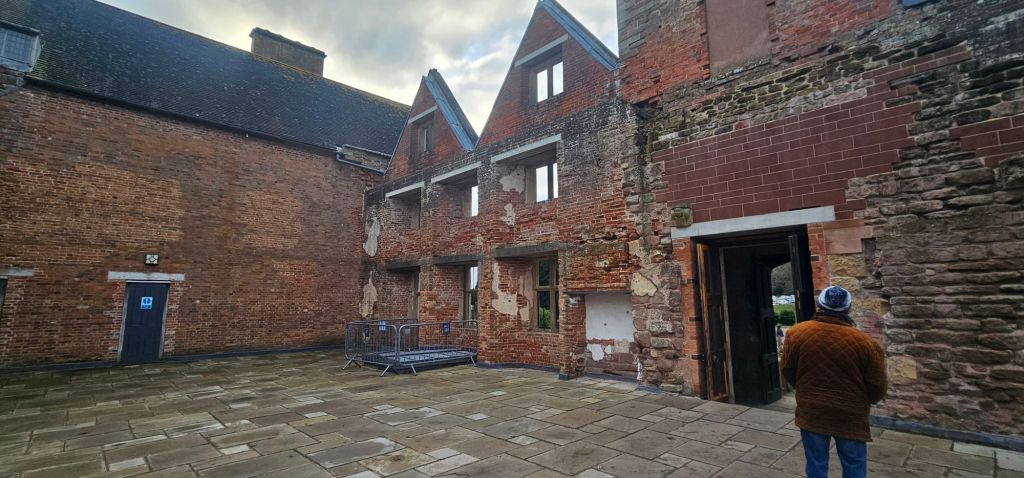
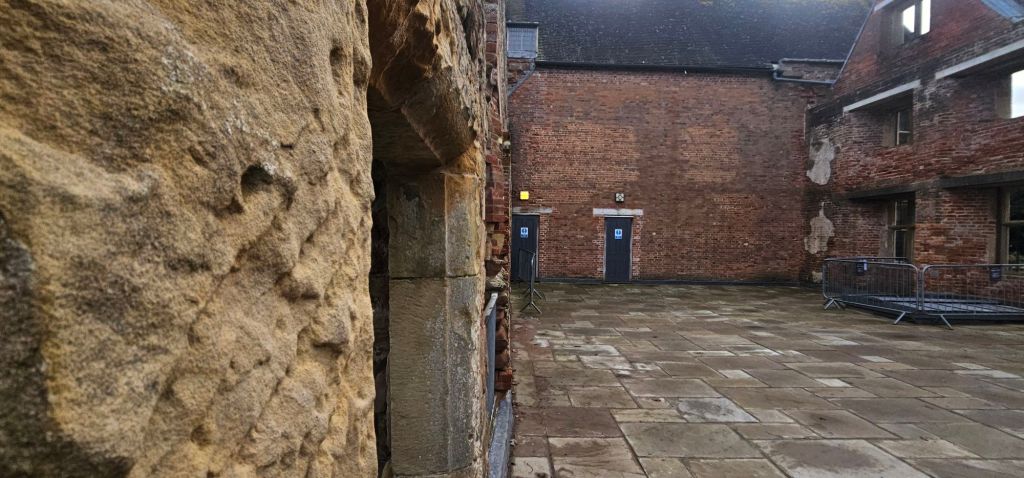
Walking through the remains of this 12th-century Cistercian abbey, you’re immediately struck by the layers of history etched into its weathered brickwork. The red sandstone walls stand as silent witnesses to centuries of change – from medieval monastery to grand country house, and now to the romantic ruin we see today.

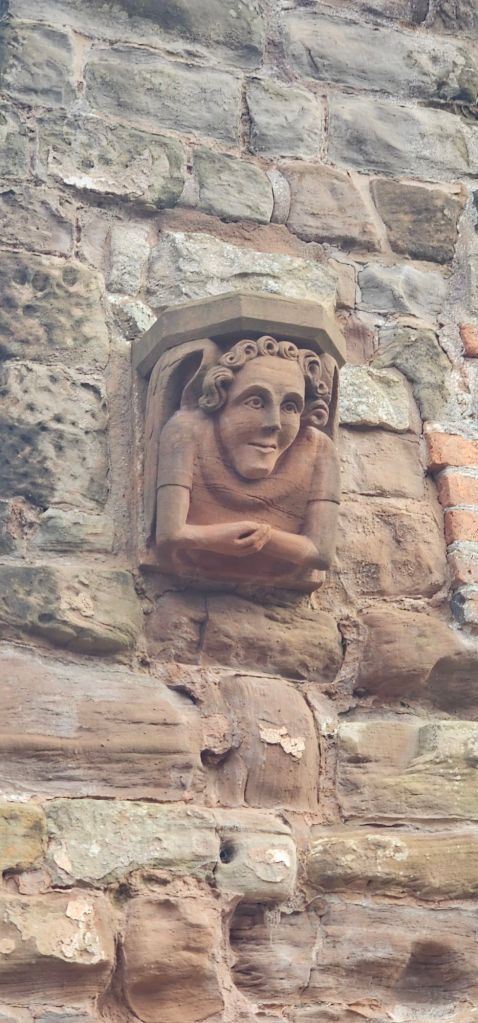
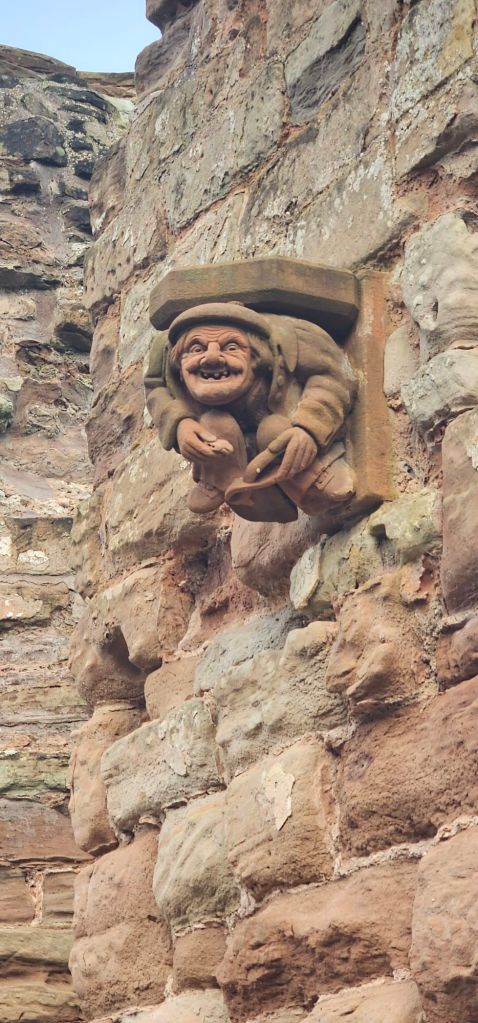
The architectural fragments are particularly captivating. One delightful discovery is a carved corbel featuring a cheerful, gap-toothed figure emerging from the stonework. These whimsical details remind us that even in creating sacred spaces, medieval craftsmen couldn’t resist adding touches of humor and humanity.

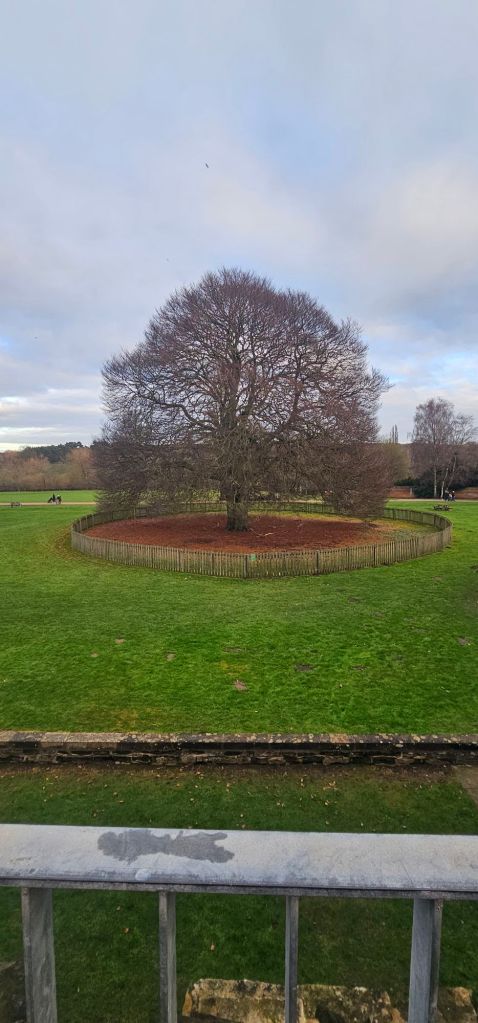
The grounds surrounding the ruins are equally impressive. A magnificent mature tree stands protected within its circular fence, a natural monument carefully preserved against the manicured lawn. The clocktower rises above the remaining walls, still keeping time over this historic landscape.

What makes Rufford Abbey special is how the ruins have been carefully maintained – barriers protect the most fragile sections while still allowing visitors to explore and appreciate the scale of what once stood here. The contrast between the crumbling medieval stonework and the later brick additions tells the story of the building’s evolution through the ages.

On a moody winter afternoon, with bare trees framing the ruins and low clouds overhead, Rufford Abbey offers a perfect blend of history, architecture, and atmospheric beauty. It’s a place that invites contemplation and rewards exploration – and it’s free to visit, making it an accessible gem in Nottinghamshire’s heritage landscape.

Veliko Tarnovo

Veliko Tarnovo:

Bulgaria’s Hidden Medieval GemNestled among rolling hills in central Bulgaria, Veliko Tarnovo captivated me from the moment I arrived. This ancient city, once the capital of the Second Bulgarian Empire, is a stunning blend of history, art, and authentic Bulgarian charm.

Wandering Through Time

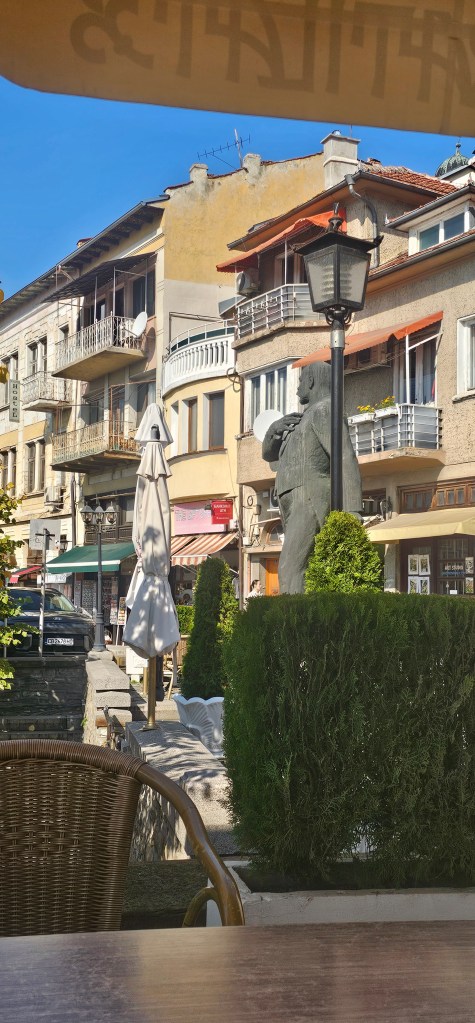
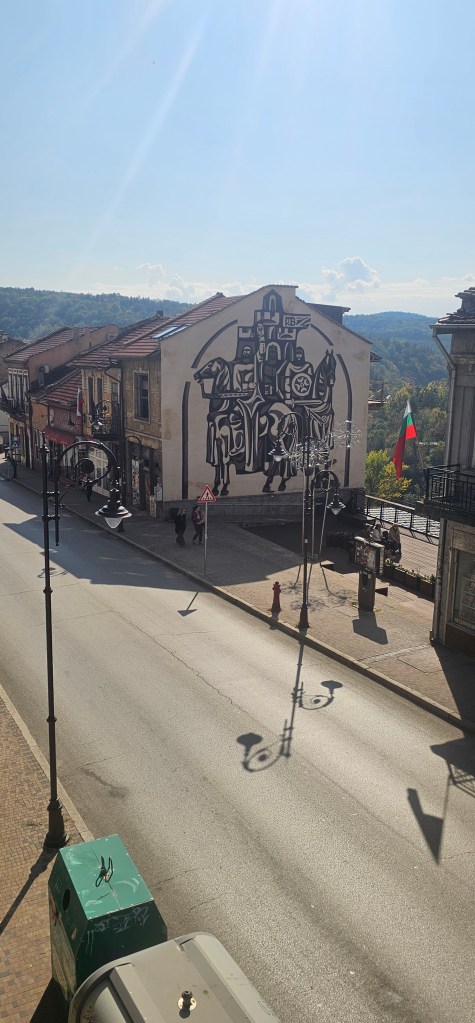
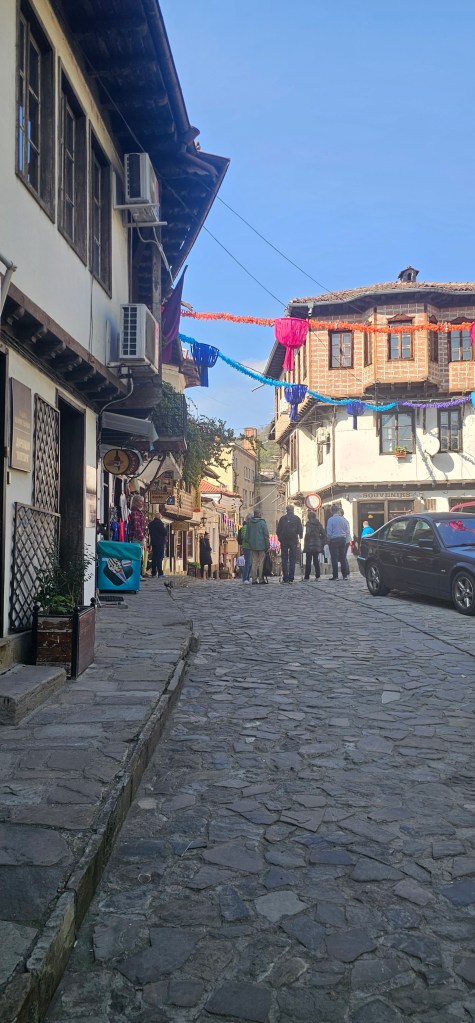
The cobblestone streets wind their way up hillsides, flanked by traditional houses with their distinctive wooden balconies and terracotta roofs. Each corner reveals another layer of the city’s rich past, from Revival-era architecture to modern street art that tells the story of Bulgaria’s heritage.

Art Meets History

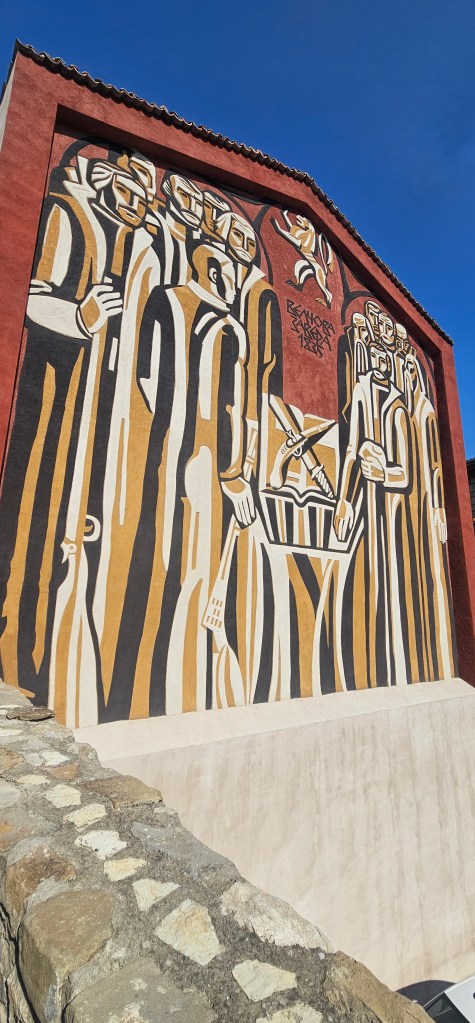
What struck me most were the incredible murals adorning building facades throughout the old town. Bold, stylized figures depicting medieval scenes and historical moments transform ordinary walls into open-air galleries. These striking black, gold, and rust-colored compositions celebrate Bulgaria’s cultural identity while breathing contemporary life into ancient streets.

A Feast for the Senses

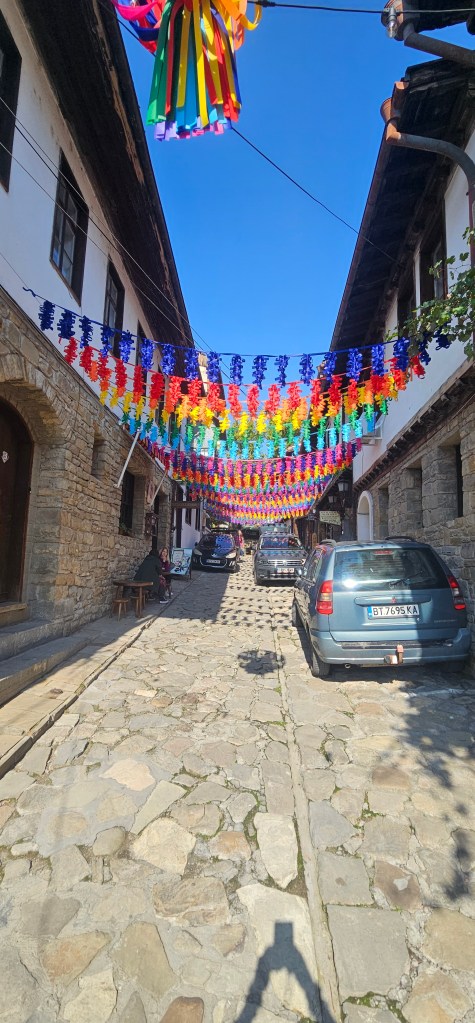
The Old Town is a sensory delight. Colorful decorative garlands – some rainbow-hued, others in vibrant primary colors – crisscross narrow lanes, adding whimsy to the medieval setting. Autumn leaves framed views across the terraced cityscape, where buildings cascade down the hillside in a tumble of warm ochres and weathered pastels.Local artisan shops offer handcrafted treasures, from traditional pottery to contemporary Bulgarian designs. I found myself drawn to these authentic spaces, where craftsmanship and creativity continue centuries-old traditions.

The Magic of Discovery

There’s something magical about Veliko Tarnovo that can’t quite be captured in words – the way afternoon light filters through grape vines, the quiet conversations at outdoor cafes, the sense that every stone beneath your feet has witnessed history. It’s a place that rewards slow wandering and curious exploration.If you’re seeking an alternative to Bulgaria’s beach resorts or looking for authentic Balkan charm, Veliko Tarnovo deserves a spot on your itinerary. This is Bulgaria at its most beautiful and genuine.

Blog at WordPress.com.

Up ↑