Rufford Abbey

A Winter’s Day at Rufford Abbey

There’s something hauntingly beautiful about exploring historic ruins on a grey winter’s day, and Rufford Abbey in Nottinghamshire delivers that atmosphere in spades.

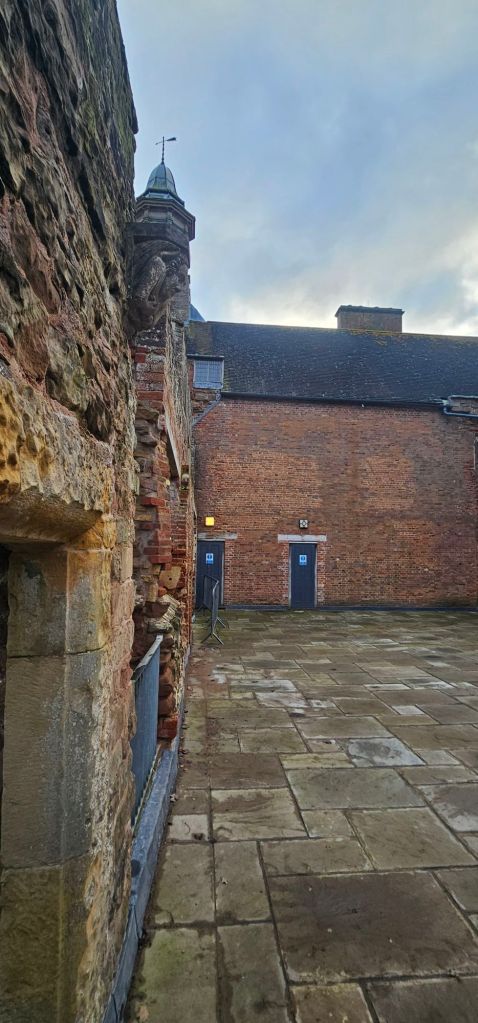
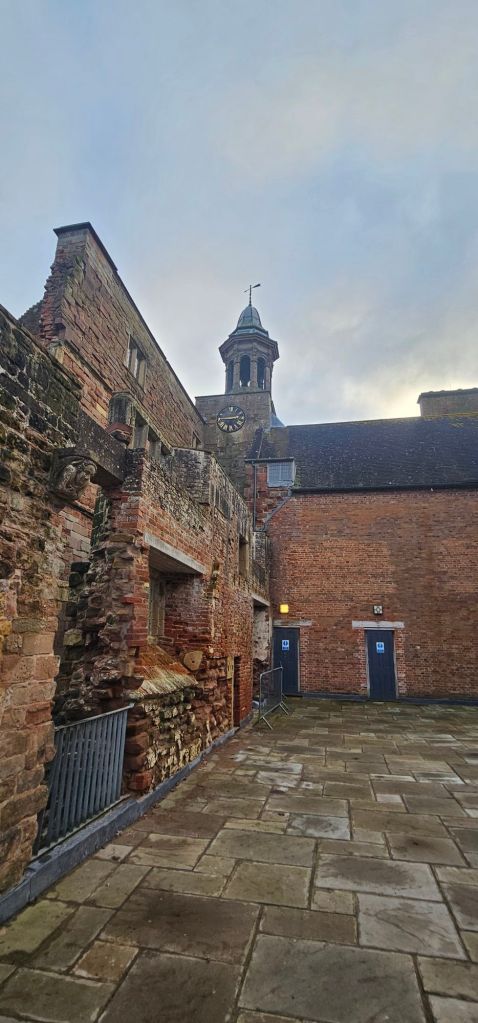
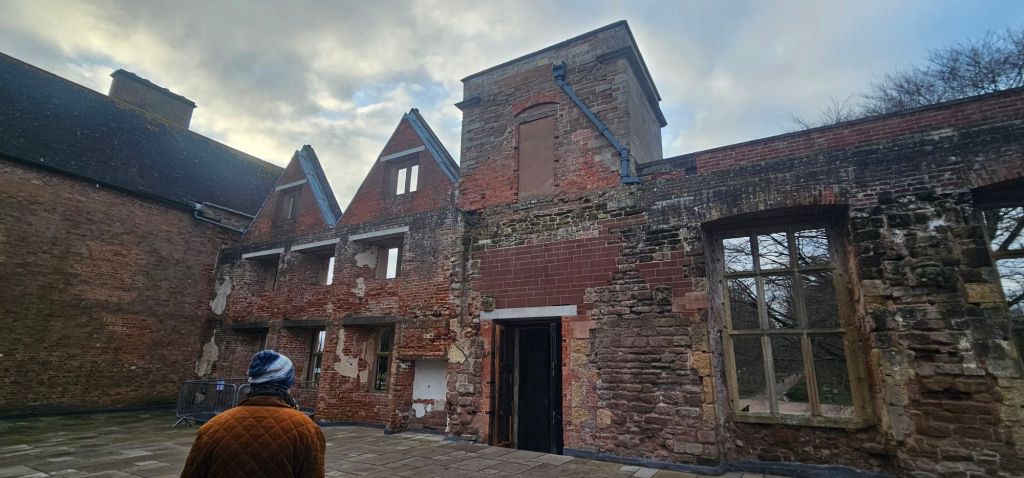
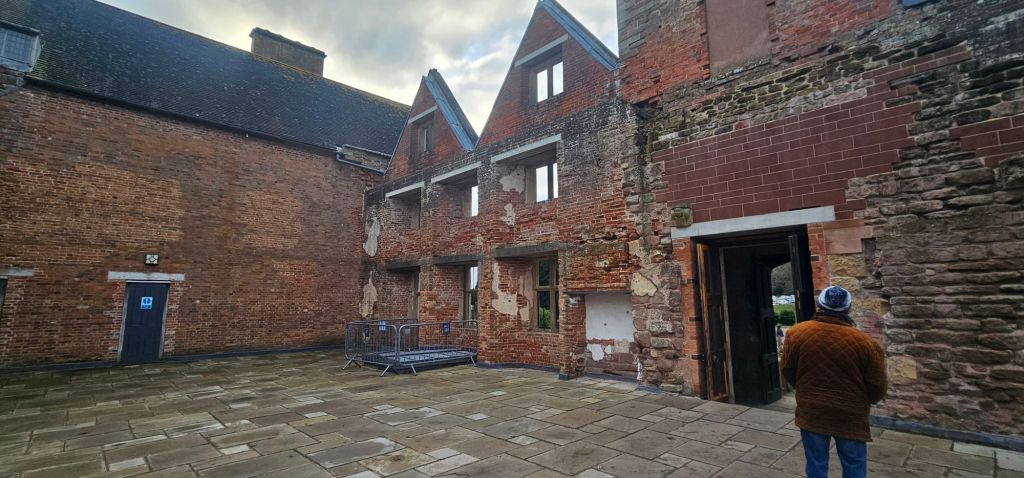
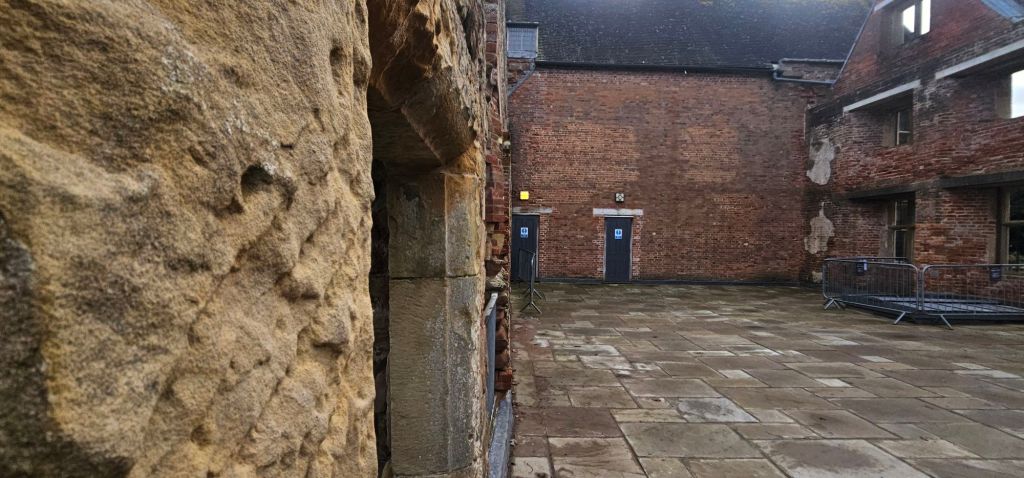
Walking through the remains of this 12th-century Cistercian abbey, you’re immediately struck by the layers of history etched into its weathered brickwork. The red sandstone walls stand as silent witnesses to centuries of change – from medieval monastery to grand country house, and now to the romantic ruin we see today.

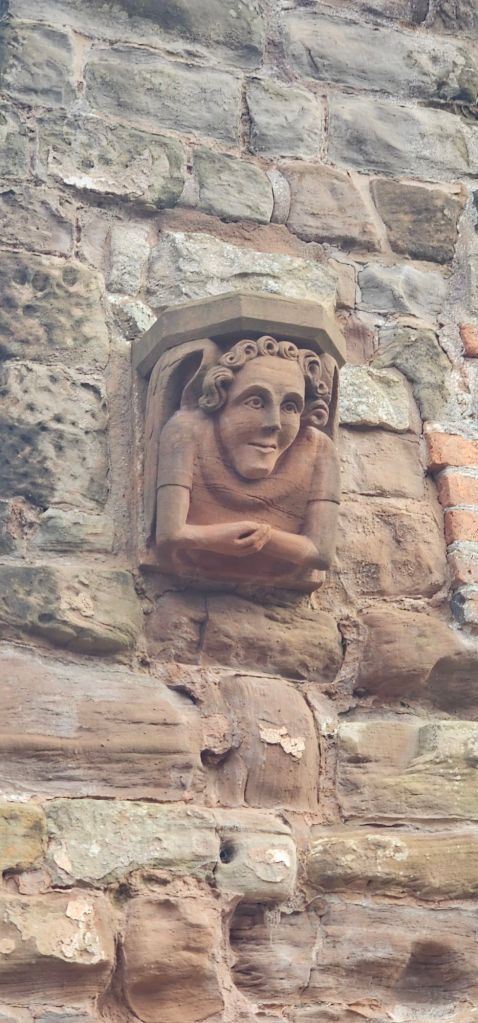
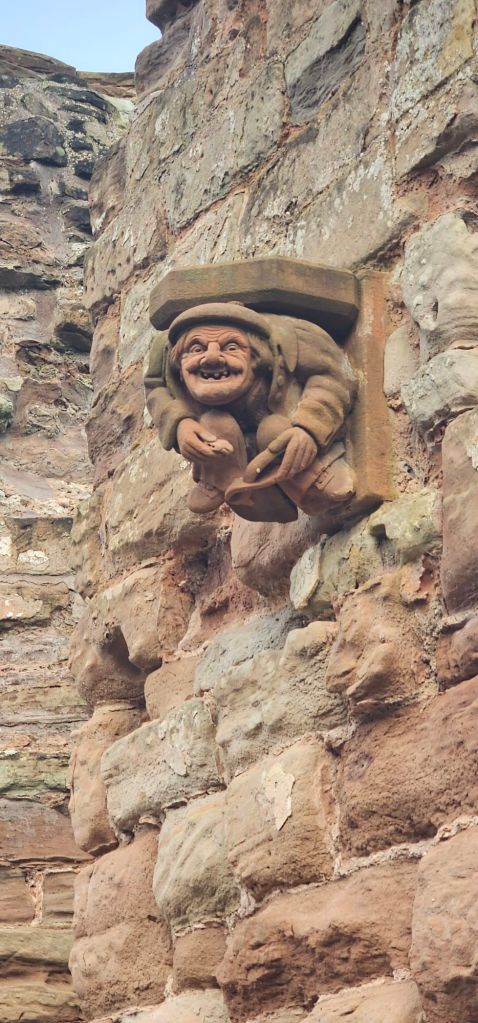
The architectural fragments are particularly captivating. One delightful discovery is a carved corbel featuring a cheerful, gap-toothed figure emerging from the stonework. These whimsical details remind us that even in creating sacred spaces, medieval craftsmen couldn’t resist adding touches of humor and humanity.

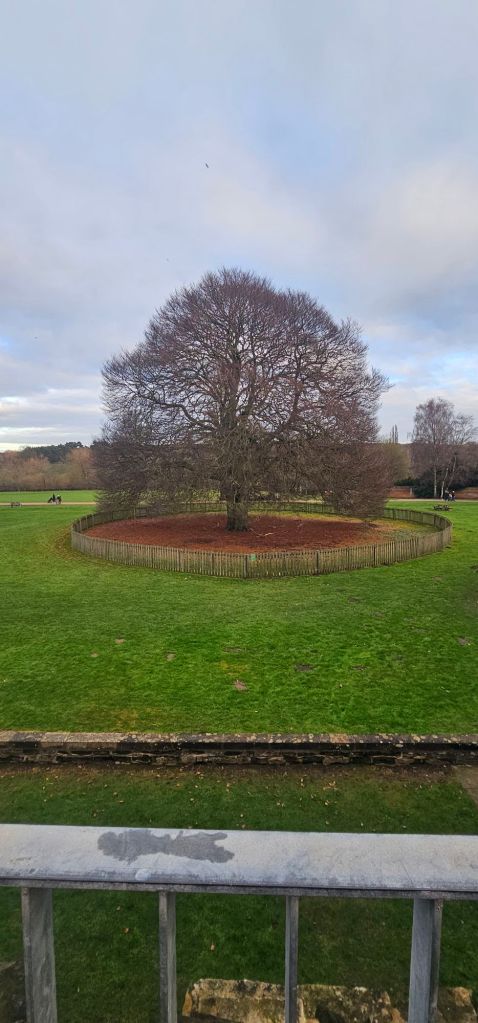
The grounds surrounding the ruins are equally impressive. A magnificent mature tree stands protected within its circular fence, a natural monument carefully preserved against the manicured lawn. The clocktower rises above the remaining walls, still keeping time over this historic landscape.

What makes Rufford Abbey special is how the ruins have been carefully maintained – barriers protect the most fragile sections while still allowing visitors to explore and appreciate the scale of what once stood here. The contrast between the crumbling medieval stonework and the later brick additions tells the story of the building’s evolution through the ages.

On a moody winter afternoon, with bare trees framing the ruins and low clouds overhead, Rufford Abbey offers a perfect blend of history, architecture, and atmospheric beauty. It’s a place that invites contemplation and rewards exploration – and it’s free to visit, making it an accessible gem in Nottinghamshire’s heritage landscape.

The Pontcysyllte Aqueduct

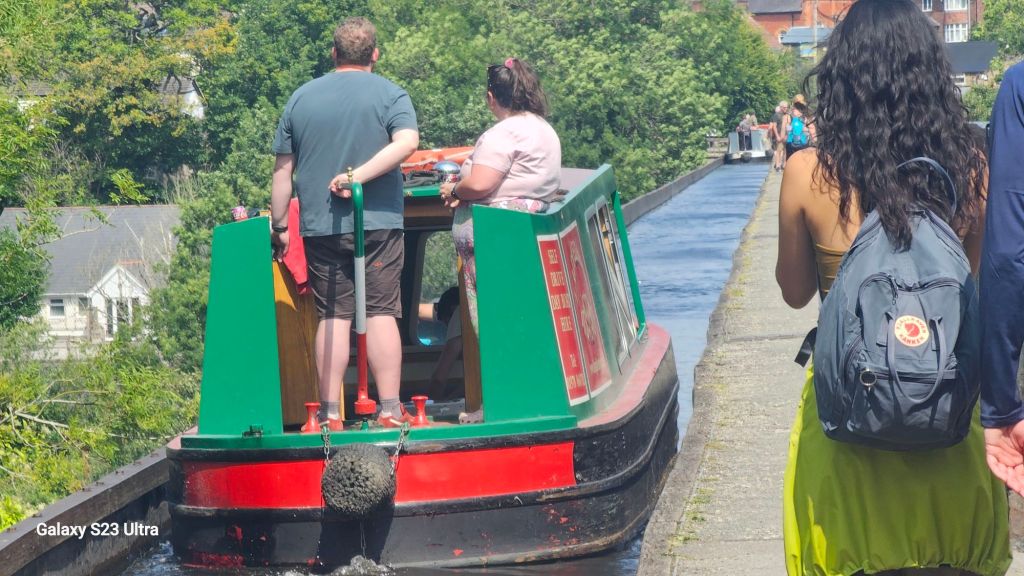
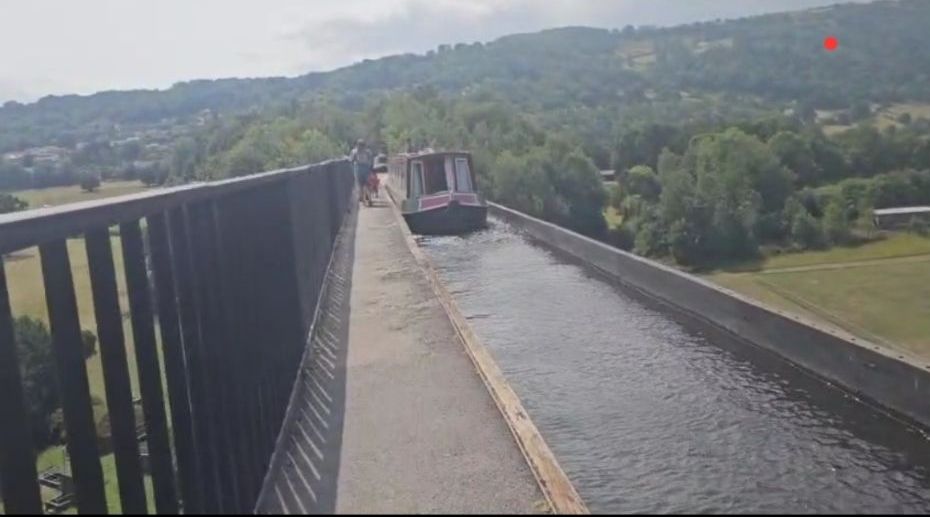
The Pontcysyllte Aqueduct, A World Heritage Site, is a breathtaking testament to human ingenuity and a true marvel of engineering. Stretching gracefully across the picturesque River Dee in North Wales, this aqueduct offers an unforgettable experience, blending history, natural beauty, and a thrilling sense of adventure.

A Triumph of Engineering:

Built between 1795 and 1805 by Thomas Telford and William Jessop, the Pontcysyllte Aqueduct is a true feat of engineering. The 1,007-foot (307-meter) long structure carries the Llangollen Canal 126 feet (38 meters) above the River Dee, making it the longest and highest aqueduct in Britain. The innovative use of cast iron troughs and stone piers was groundbreaking for its time, and the aqueduct remains a testament to Telford’s genius.

What to See and Do:

Walk the Aqueduct: The most popular activity is walking across the aqueduct. While not for the faint of heart, the walk offers unparalleled views of the surrounding countryside. The narrow towpath on one side and the sheer drop to the river, on the other hand, create an exhilarating experience.
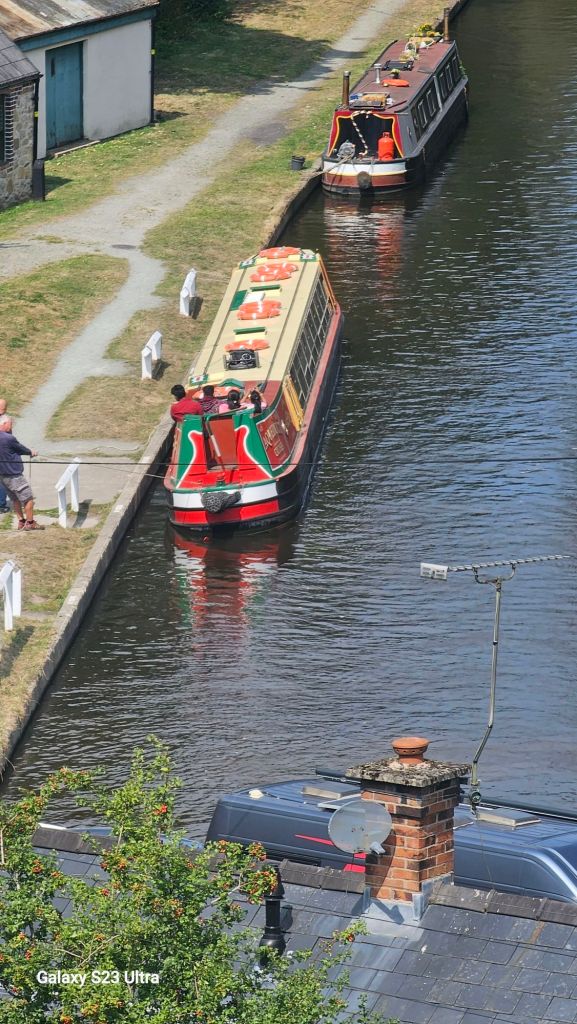
Take a Canal Boat Trip: Experience the aqueduct from a different perspective by taking a boat trip along the Llangollen Canal. Several companies offer boat tours, providing a unique and relaxing way to appreciate engineering and stunning scenery.
Explore the Surrounding Area: The Pontcysyllte Aqueduct is located in a beautiful part of North Wales. Explore the charming town of Llangollen, visit the Horseshoe Falls, or hike in the surrounding hills.
Learn About the History: Visit the visitor centre to learn more about the construction of the aqueduct, the people involved, and its significance. There are also interpretive panels along the aqueduct, providing fascinating insights into the structure’s design and history.
Admire the Views: Even if you’re not keen on heights, you can still appreciate the aqueduct from various vantage points. The views of the aqueduct against the backdrop of the Welsh countryside are simply stunning.

Tips for Planning Your Visit:

Wear comfortable shoes: You’ll be doing a lot of walking, especially if you decide to walk across the aqueduct.
Be prepared for heights: If you’re afraid of heights, walking across the aqueduct might not be for you.
Check the weather forecast: The weather in Wales can be unpredictable, so be prepared for rain.
Consider taking a boat trip: It’s a great way to experience the aqueduct from a different perspective.
Allow plenty of time: There’s so much to see and do, plan for at least a half-day or a full day to fully appreciate the aqueduct and its surroundings.

Blog at WordPress.com.

Up ↑